村上彩子ピアノリサイタル2027.2.10
2027.2.10(水)開演19:00 ノバホール小ホール
Febrary, 10, 2027, 19:00 a.m. Nova Hall Ayako Murakami Piano Recital:2027
日時:2027年2月10日(金) 18:30 開場 / 19:00 開演
会場:ノバホール小ホール
料金:3,000円
J.S.バッハ 半音階的幻想曲とフーガ ニ短調 BWV903 ショパン スケルツォ第4番 ホ長調 Op.54 リスト スケルツォと行進曲 S.177 R.20
ドビュッシー 12の練習曲(全曲)
- 1. 5本の指のために(チェルニー氏による)
- 2. 3度音程のために
- 3. 4度音程のために
- 4. 6度音程のために
- 5. 8度音程のために
- 6. 8本の指のために
- 7. 半音階のために
- 8. 装飾音のために
- 9. 反復する音符のために
- 10. 対比的な響きのために
- 11. 組み合わされたアルペジョのために
- 12. 和音のために
【主催】 フォレストミュージック
【HP】 https://forestmusic.link
【お問合せ】✉ forest.pf.music@gmail.com ☎08050973989
チケット取扱🎫 ピーティクス/チケットぴあ/ノバホール窓口
作曲家と作品概要
01
ヨハン・セバスチャン・バッハ Bach, Johann Sebastian (1685-1750)
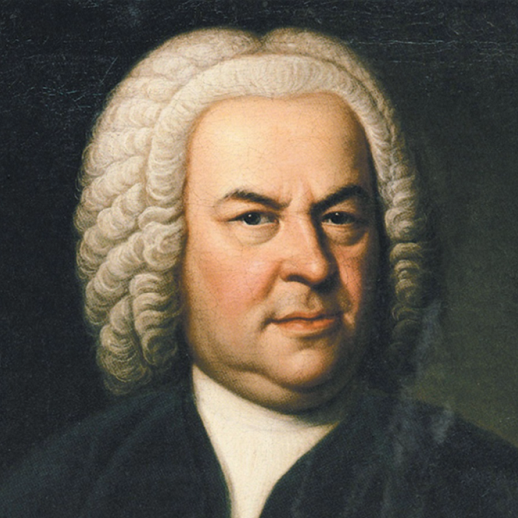
ヨハン・セバスチャン・バッハ Bach, Johann Sebastian (1685-1750)
半音階的幻想曲とフーガ ニ短調 BWV 903 Chromatische Fantasie und Fuge d-moll BWV 903
この作品の作曲年代は不明。自筆譜も失われてしまっている。バッハ自身がこの作品をレッスンにおける重要な教材として用いており、多くの弟子がこれを写譜し、息子のフリーデマンも晩年までこの作品を演奏することを楽しんでいた。現存する様々な資料には、タイトルやフーガの有無だけでなく、とりわけファンタジアの前半部分におけるアルペジオにおいて、微妙な相違が見られる。この作品には膨大な数の異本が存在することに加え、19世紀半ばにハンス・フォン・ビューローなどの音楽家たちが独自の改変を加えた改訂版を出版したことで、入手可能な資料の状況はさらに複雑化している。こうした実用的な版が存在することは、この作品が演奏実践を通じて一貫して伝承されてきたことを示している。即興的な「幻想曲」に表現された苦悩と絶望という要素は、「フーガ」の厳格な作曲様式へと引き継がれていく。
The date of composition of this work is unknown. The autograph score has also been lost. Bach himself used this work as an important teaching aid in his lessons; many of his pupils copied it out, and his son Friedemann continued to enjoy performing it until late in life. Subtle differences can be observed in the various extant sources, not only in the title and the presence or absence of a fugue, but particularly in the arpeggios in the first half of the fantasia. In addition to the vast number of variant versions of this work, the situation regarding available sources is further complicated by the publication in the mid-19th century of revised editions by musicians such as Hans von Bülow, who incorporated their own alterations. The existence of such practical editions demonstrates that this work has been consistently transmitted through performance practice. The elements of anguish and despair expressed in the improvisational ‘Fantasia’ are carried over into the rigorous compositional style of the ‘Fugue’.
02
フレデリック・ショパン Chopin, Frederic (1810-1849)
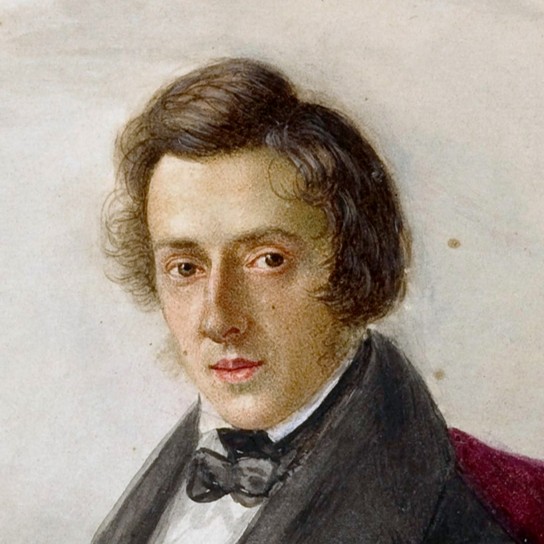
フレデリック・ショパン Chopin, Frederic (1810-1849)
スケルツォ 第4番 ホ長調 Op.54 Scherzo no.4 E-Dur Op.54
プレスト 3/4拍子。1843年に完成した。ショパンの成熟期の作品であり、ジャンヌ・ド・カラマン嬢に献呈された。ショパンは傑作を次々と生み出していた一方で、健康上の問題や精神的な苦悩に苛まれていた。師であるジヴニや親友のヤン・マトゥシンスキの死は、彼に壊滅的な打撃を与えた。『スケルツォ第4番』はこうした苦難の中で構想されたものの、4つのスケルツォの中で唯一長調で書かれたこの作品は、ショパン特有の優雅さと、洗練された細部の美しさによって際立っている。ABA形式を採用しているが、その構造はより複合的であり自由度が高く、ソナタ形式に若干の類似性が見られる。
Presto, in 3/4 time. Completed in 1843. This work belongs to Chopin’s mature period and was dedicated to Mademoiselle Jeanne de Calaman. Whilst Chopin was producing one masterpiece after another, he was plagued by health problems and mental anguish. The deaths of his teacher, Zivni, and his close friend, Jan Matusinski, dealt him a devastating blow. Although the ‘Scherzo No. 4’ was conceived amidst these hardships, this work—the only one of the four scherzos written in a major key—stands out for its characteristic Chopin elegance and the beauty of its refined details. Whilst it adopts an ABA form, its structure is more complex and flexible, showing some similarities to sonata form.
03
フランツ・リスト Liszt, Franz (1811-1886)
1811年10月22日、ライディング(当時はオーストリア帝国の支配下にあったハンガリー王国の一部)で生まれたリストは、1822年以降、二度とハンガリーに定住することはなく、生涯を通じてハンガリー語を習得することもなかった。それにもかかわらず、今日に至るまで、彼は「ハンガリーの作曲家」と見なされ続けている。彼は「故郷」から熱狂的な歓迎を受け、国王に匹敵する英雄として扱われた。
彼は、その活動の範囲がヨーロッパ全土に及ぶ、国際的な芸術家であった。
Born on 22 October 1811 in Raiding (then part of the Kingdom of Hungary under the rule of the Austrian Empire), Liszt never settled in Hungary again after 1822 and never learnt Hungarian in his lifetime; yet, to this day, he has been regarded as a ‘Hungarian composer’. He received an enthusiastic welcome from his ‘homeland’ and was treated as a hero on a par with the king.
He was a cosmopolitan artist whose sphere of activity spanned the whole of Europe.
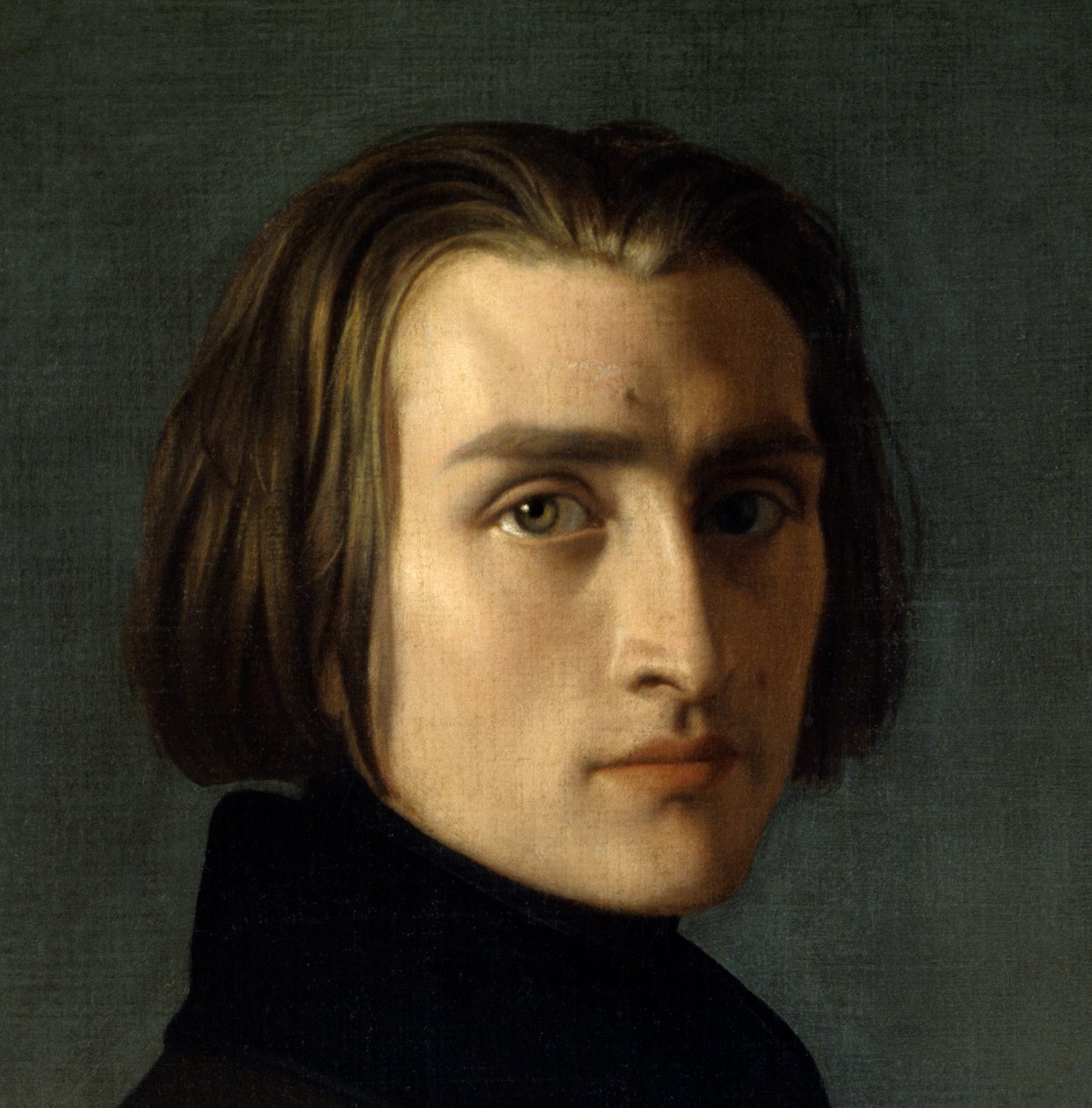
スケルツォと行進曲 S.177 R.20 Scherzo und marsch S.177 R.20
1851年に作曲された。音楽的な文脈に沿って、この作品は
短いモチーフが変容していく形で展開される。悪魔的な要素が色濃く表れたスケルツォと、気勢盛んな行進曲が特に印象深い。この作品はテオドール・クラックに献呈された。初版では、この曲には『ワイルド・ヤルト/幽霊の群れ』というタイトルが付けられていたが、現在ではこのタイトルは『超絶技巧練習曲第8番』に用いられている。
ちなみに、「ワイルド・ヤルト」とは「冥界の王」(真夜中に、死者の騎馬隊を率いて空を駆け巡る者)を意味する。
Composed in 1851.In keeping with the musical context, the piece progresses as short motifs are transformed. The scherzo, with its strongly diabolical elements, and the rousing march are particularly memorable. It was dedicated to Theodor Krack. In the first edition, this piece was given the title ‘Wild Jagd/Horde of Ghosts’, but this title is now applied to the Étude d’Exécution Transcendante No. 8. Incidentally, ‘Wild Jagd’ means ‘King of the Underworld’ (who rides through the air at midnight at the head of a horde of horsemen from the dead).
04
クロード・ドビュッシー –Claude Debussy (1862-1918)
フランスの作曲家。《放蕩息子》によりローマ大賞1等賞。マラルメとの親交やバイロイト旅行など模索時代を過ごし1894年12月に《牧神の午後の前奏曲》(1892‐1894)の初演が大成功を収め、オペラ《ペレアスとメリザンド》の初演を前後してオーケストラ作品、声楽作品、ピアノ作品、室内楽作品に傑作を生みだして行った。ピアノ作品は1903年以後にその大部分がかかれ、極めて革新的な構想を持つ。
French composer. Winner of the First Prize at the Prix de Rome for The Prodigal Son. After a period of artistic exploration, which included his friendship with Mallarmé and a trip to Bayreuth, the premiere of Prelude to the Afternoon of a Faun (1892–1894) in December 1894 was a resounding success. Around the time of the premiere of his opera Pelléas et Mélisande, he went on to produce masterpieces in the fields of orchestral, vocal, piano and chamber music. The majority of his piano works were composed from 1903 onwards and are characterised by highly innovative concepts.
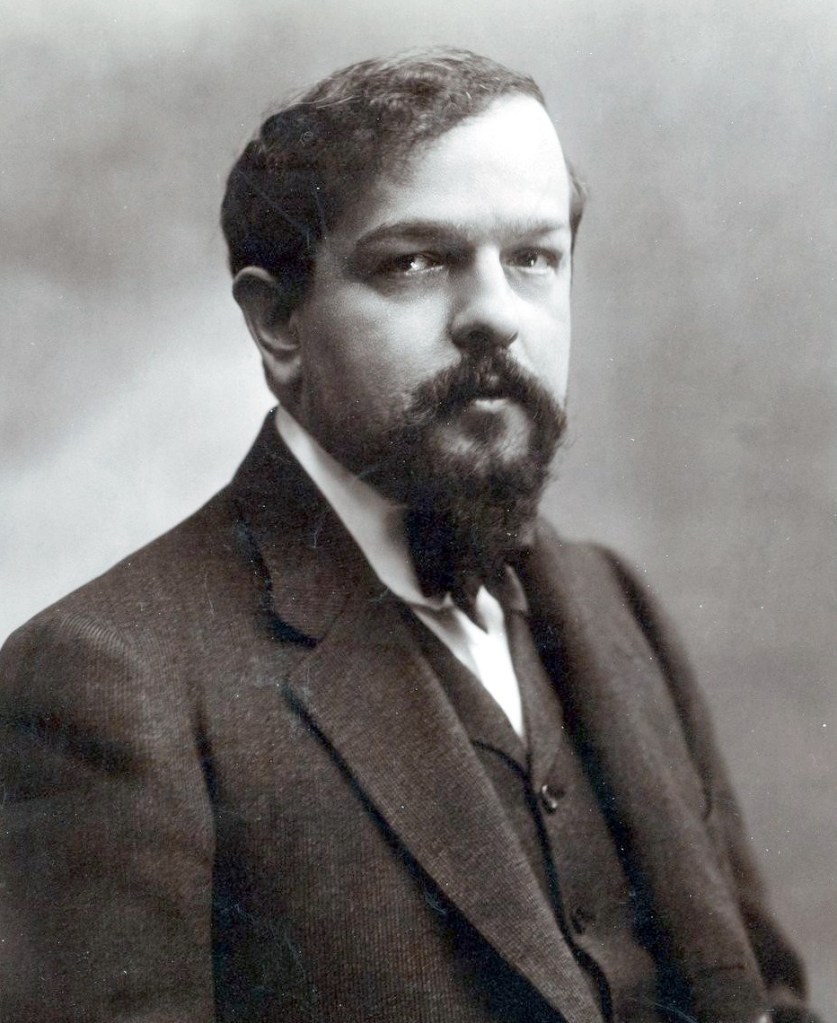
ドビュッシーの生涯の最晩年に生まれた傑作『12のエチュード』は、デュランの依頼を受けて、ショパンの全集の校訂版に取り組んでいた時期に書かれた。「3度のためのエチュード」はショパンのエチュード作品25の第6番を、「6度のためのエチュード」は作品25の第8番を、「オクターブのためのエチュード」は作品25の第9番と第10番を彷彿とさせる。『半音階のための』の起源は作品10の第2番に、『アルペジオのための』は作品10の第1番にさかのぼることができる。これらの作品を作曲する際、ドビュッシーはパリ音楽院に入学する前に師事したモーテ夫人への感謝の意を忘れなかった。
Debussy’s masterpiece, 12 Études, composed in the very twilight of his life, was written whilst he was working on a critical edition of Chopin’s complete works at the request of Durand. The ‘Étude for Thirds’ is reminiscent of Chopin’s Étude Op. 25, No. 6; the ‘Étude for Sixth’ of Op. 25, No. 8; and the ‘Étude for Octaves’ of Op. 25, Nos. 9 and 10. The origins of the ‘Étude for Chromatic Scales’ can be traced back to Op. 10, No. 2, whilst the ‘Étude for Arpeggios’ can be traced back to Op. 10, No. 1. When composing these works, Debussy did not forget to express his gratitude to Debussy’s masterpiece, 12 Études, composed in the very twilight of his life, was written whilst he was working on a critical edition of Chopin’s complete works at the request of Durand. The ‘Étude for Thirds’ is reminiscent of Chopin’s Étude Op. 25, No. 6; the ‘Étude for Sixth’ of Op. 25, No. 8; and the ‘Étude for Octaves’ of Op. 25, Nos. 9 and 10. The origins of the ‘Étude for Chromatic Scales’ can be traced back to Op. 10, No. 2, whilst the ‘Étude for Arpeggios’ can be traced back to Op. 10, No. 1. When composing these works, Debussy did not forget to express his gratitude to Madame Mauté, with whom he had studied before entering the Paris Conservatoire. with whom he had studied before entering the Paris Conservatoire.
ドビュッシー 12のエチュード(全曲)
- 1. 5本の指のために(チェルニー氏による)
- 2. 3度音程のために
- 3. 4度音程のために
- 4. 6度音程のために
- 5. 8度音程のために
- 6. 8本の指のために
- 7. 半音階のために
- 8. 装飾音のために
- 9. 反復する音符のために
- 10. 対比的な響きのために
- 11. 組み合わされたアルペジョのために
- 12. 和音のために
Debussy: 12 Études (complete)
- No. 1. Pour les cinq doigts (For the five fingers)
- No. 2. Pour les tierces (For thirds)
- No. 3. Pour les quartes (For fourths)
- No. 4. Pour les sixtes (For sixths)
- No. 5. Pour les octaves (For octaves)–
- No. 6. Pour les huit doigts (For eight fingers)
- No. 7. Pour les degrés chromatiques (For chromatic steps)
- No. 8. Pour les agréments (For ornaments)–
- No. 9. Pour les notes répétées (For repeated notes)–
- No. 10. Pour les sonorités opposées (For opposing sonorities)
- No. 11. Pour les arpèges composés (For written arpeggios)
- No. 12. Pour les accords (For chords)
05
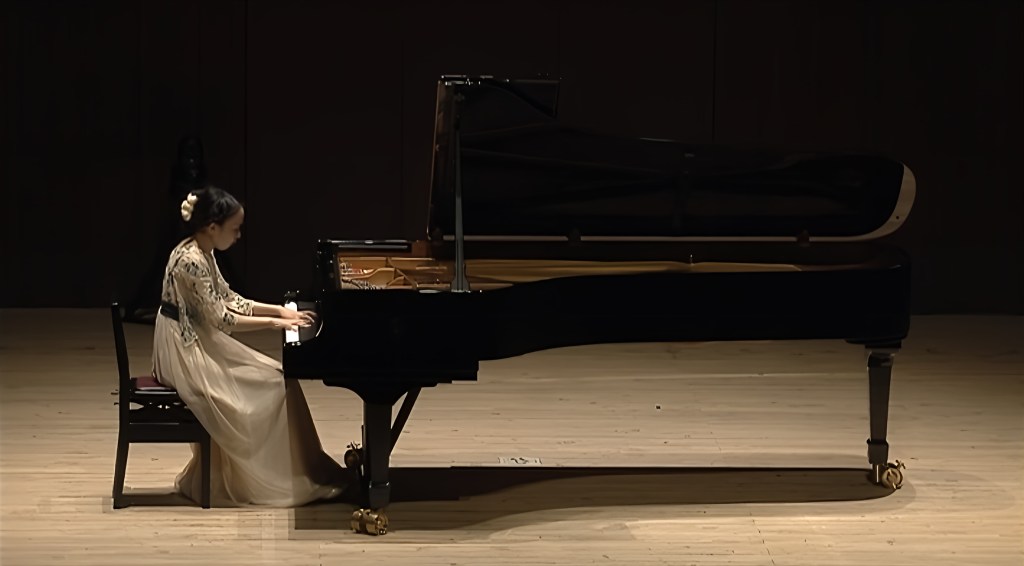
ピアニスト Ayako Murakami(pf.)
ピアニストプロフィール
村上 彩子 AYAKO MURAKAMI
茨城県出身。東京音楽大学付属高校ピアノ演奏家コースを経て、東京音楽大学器楽専攻ピアノ演奏家コース卒業。東京音楽大学大学院修士課程鍵盤楽器研究領域(ピアノ)修了。これまでにピアノを鈴木弘尚、石岡千弘、岡田敦子、室内楽を藤原亜美の各氏に師事。函館イカール国際音楽祭、小値賀国際音楽祭など国内外のマスタークラスを受講。小川典子、野島稔、アレクセイ・ナビオウリン、ケマル・ゲキチ、フランソワ・アンリの各氏のレッスン受講。べーテン音楽コンクールバロックコース高校部門全国1位。東京音楽大学ピアノ成績優秀者卒業演奏会出演。第45回茨城県新人演奏会出演。第38回日本ピアノ教育連盟E部門全国大会入選。日本ピアノ教育連盟関東甲信越支部主催第20回ピアノフレッシュコンサート出演。現在はソロ活動の他、伴奏ピアニストとしても活動を行う。
AYAKO MURAKAMI Born in Ibaraki Prefecture . Graduated from Tokyo College of Music High School Piano Performer Course, and Tokyo College of Music Department of Instrumental Music Piano Performer Course. Wrote his master’s thesis on Messiaen’s “Eight Preludes” and gave a concert on the theme, and completed the master’s course in keyboard instruments (piano) at Tokyo College of Music. She has studied piano under Hironao Suzuki, Chihiro Ishioka, Atsuko Okada, and chamber music under Ami Fujiwara. She has attended master classes in Japan and abroad, including the Hakodate Ikar International Music Festival and the Ojika International Music Festival. She has taken lessons from Noriko Ogawa, Minoru Nojima, Alexei Naviourin, Kemal Gekich, and François Henry. She won the first prize in the high school division of the Baroque Course of the Beten Music Competition. Performed in the graduation concert of the Tokyo College of Music.
Performed at the 45th Ibaraki Prefecture Newcomer’s Concert. Selected for the 38th Japan Piano Education Association E Division National Competition. Performed in the 20th Piano Fresh Concert organized by the Kanto Koshinetsu Branch of the Japan Piano Teachers Association. Currently performs as an accompaniment pianist as well as a soloist.

